Managing odor in cat litter boxes is a universal challenge for pet owners. If you’re tired of wrinkling your nose every time you pass by, this guide offers practical Tips for Reducing Odor in Cat Litter Boxes that align with modern pet care practices.
1. Choose the Right Litter Type

Not all litters are created equal. Opt for clumping clay litter or natural alternatives like wheat, corn, or pine, which absorb moisture and trap odors effectively. Avoid scented litters, as they can overwhelm your cat’s sensitive nose and may deter them from using the box.
2. Scoop Daily—No Exceptions

Imagine skipping a shower for days; that’s how your cat feels about a dirty litter box. Scoop waste at least once daily to prevent bacteria buildup. Use a sturdy scoop with small gaps to catch even the tiniest clumps.
3. Wash the Box Regularly

Even with daily scooping, residue builds up over time. Every 2-4 weeks, empty the litter, scrub the box with mild dish soap and warm water, and dry it thoroughly before refilling. Avoid harsh chemicals like bleach, which can leave harmful residues.
4. Use Baking Soda as a Natural Deodorizer
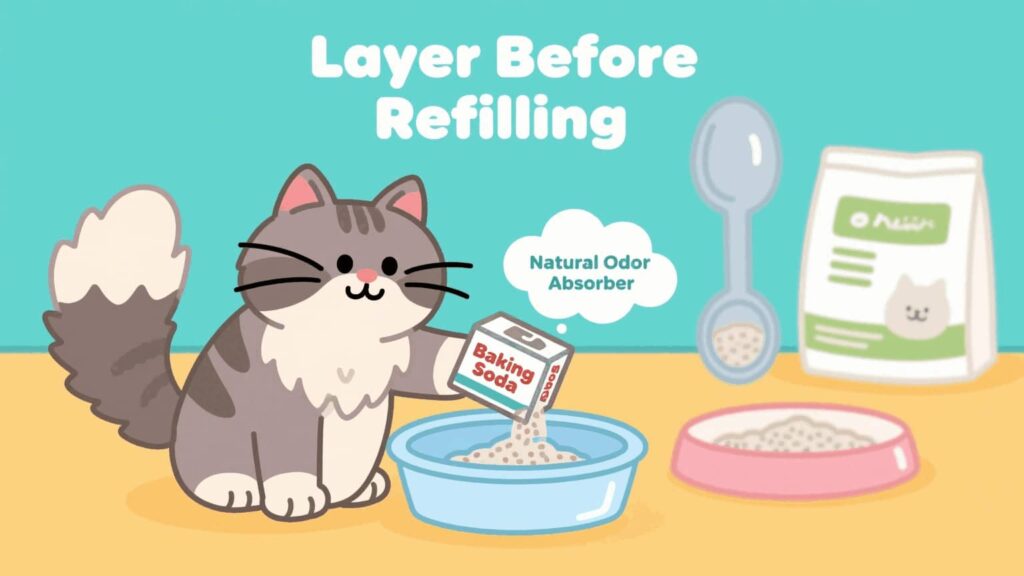
Sprinkle a thin layer of baking soda at the bottom of the litter box before adding fresh litter. It acts as a natural odor absorber without introducing artificial fragrances. Reapply every time you change the litter.
5. Invest in a High-Quality Litter Box with a Lid
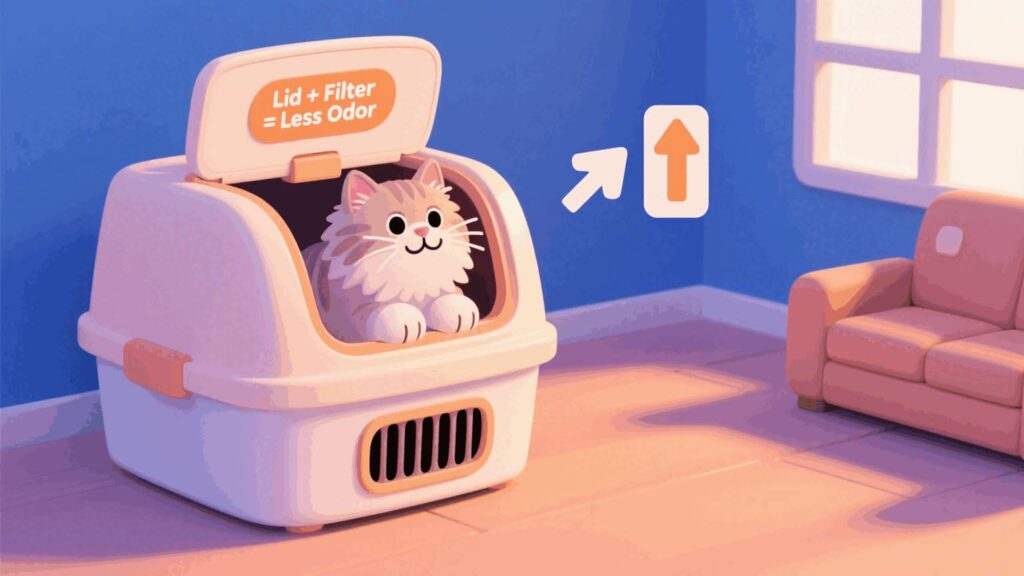
Enclosed litter boxes trap odors inside, but ensure they have proper ventilation to prevent ammonia buildup. Look for models with carbon filters or replaceable liners for added odor control. Place the box in a well-ventilated area away from living spaces.
6. Try Activated Charcoal or Odor-Neutralizing Products
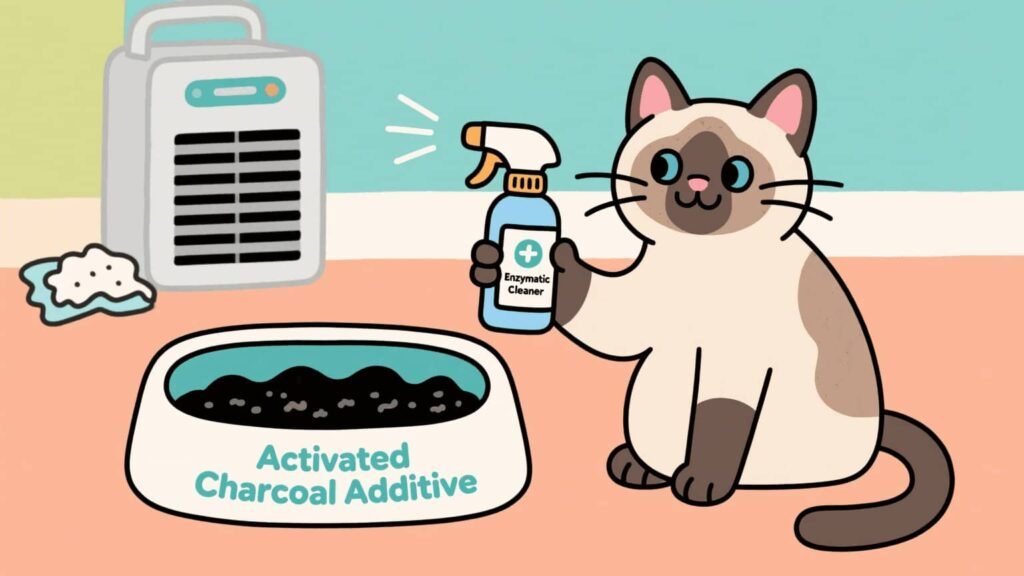
Activated charcoal is a powerhouse at absorbing smells. Place a charcoal air purifier near the litter box or use litter additives containing charcoal. Alternatively, try enzymatic cleaners for spot-cleaning accidents outside the box.
7. Optimize Litter Depth
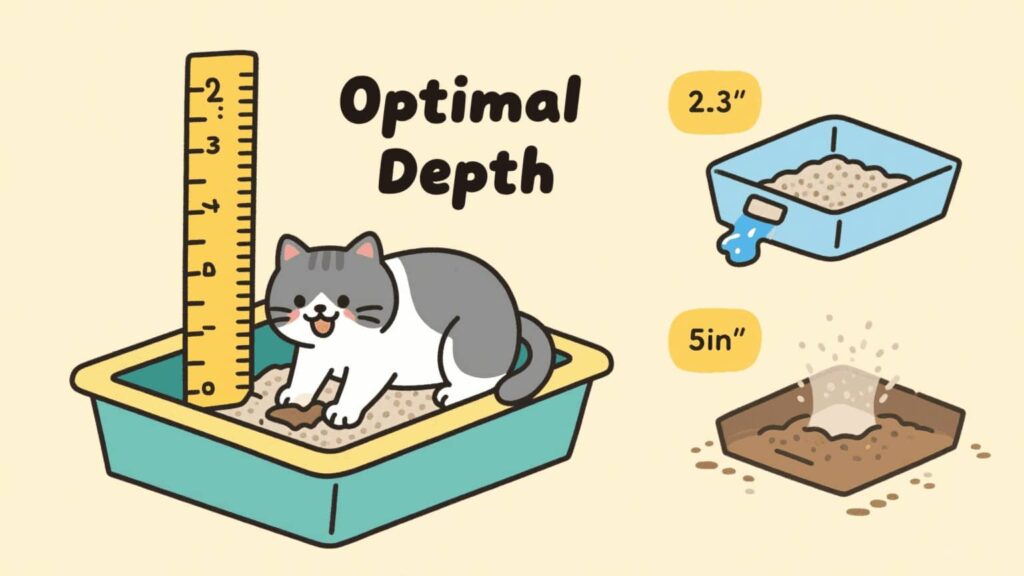
Cats prefer 2-3 inches of litter for digging and covering waste. Too little leads to urine pooling at the bottom; too much creates dust and tracking. Adjust based on your cat’s habits and box size.
8. Consider an Automatic Litter Box

For busy households, self-cleaning litter boxes automate scooping and reduce odor exposure. Models like the Litter-Robot or PetSafe ScoopFree use rakes or crystals to minimize waste contact. Ensure they’re cleaned regularly to avoid malfunctions.
9. Place the Box Strategically

Avoid high-traffic areas or spots near food bowls. Cats value privacy, so choose a quiet corner with minimal foot traffic. If odor persists, use air purifiers or odor-absorbing plants (like spider plants) nearby.
10. Monitor Your Cat’s Health

Persistent odor could signal health issues like urinary tract infections (UTIs) or diabetes. If your cat’s waste smells unusually strong or they’re urinating outside the box, consult a vet immediately.
11. Use Enzymatic Cleaners for Accidents
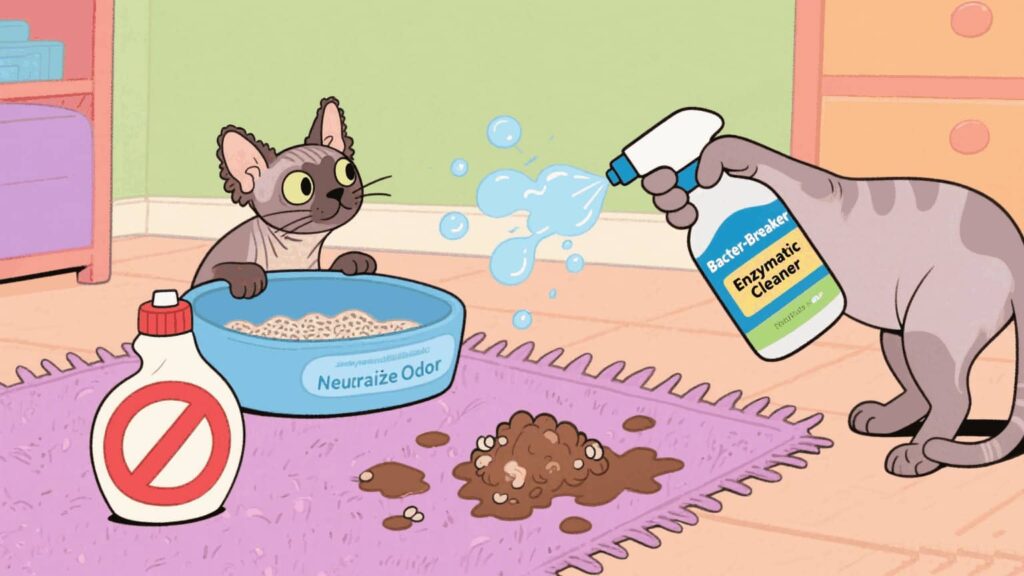
If your cat misses the box, clean the area with an enzymatic cleaner to break down odor-causing bacteria. Avoid ammonia-based products, which mimic urine smell and may encourage repeat accidents.
12. Rotate Litter Brands Gradually

Cats are creatures of habit. If switching litters, mix 25% new litter with 75% old for a week, then gradually increase the ratio. This prevents aversion and ensures a smooth transition.
13. Keep the Box Away from Humid Areas

Moisture accelerates bacterial growth and odor. Avoid placing the box in basements or bathrooms without dehumidifiers. Use a dehumidifier in damp climates to maintain dryness.
14. Train Your Cat to Use Multiple Boxes
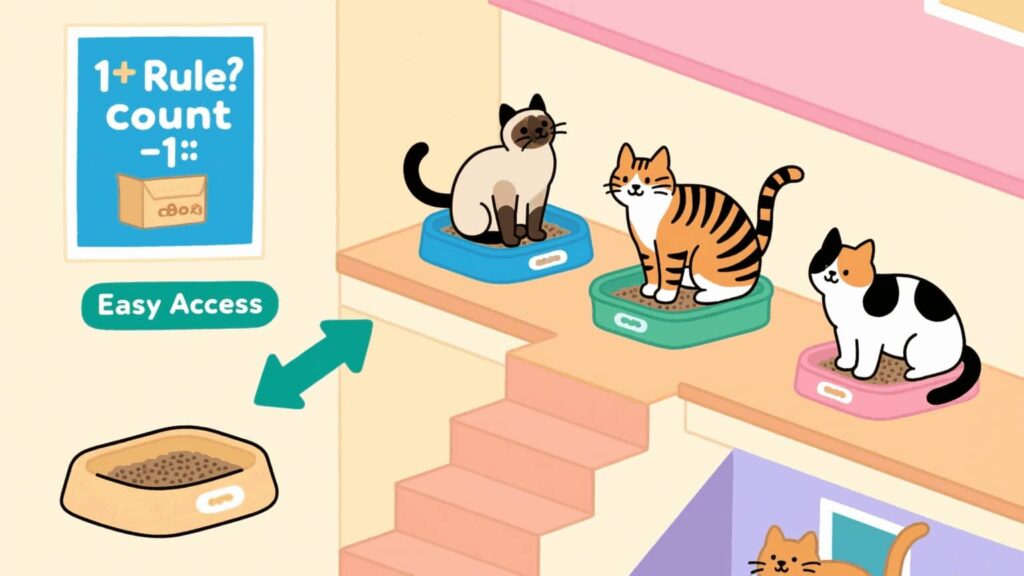
The golden rule: one box per cat, plus one extra. Multi-cat households need ample options to prevent territorial disputes and overuse. Place boxes on different floors for easy access.
15. Try Litter Box Liners
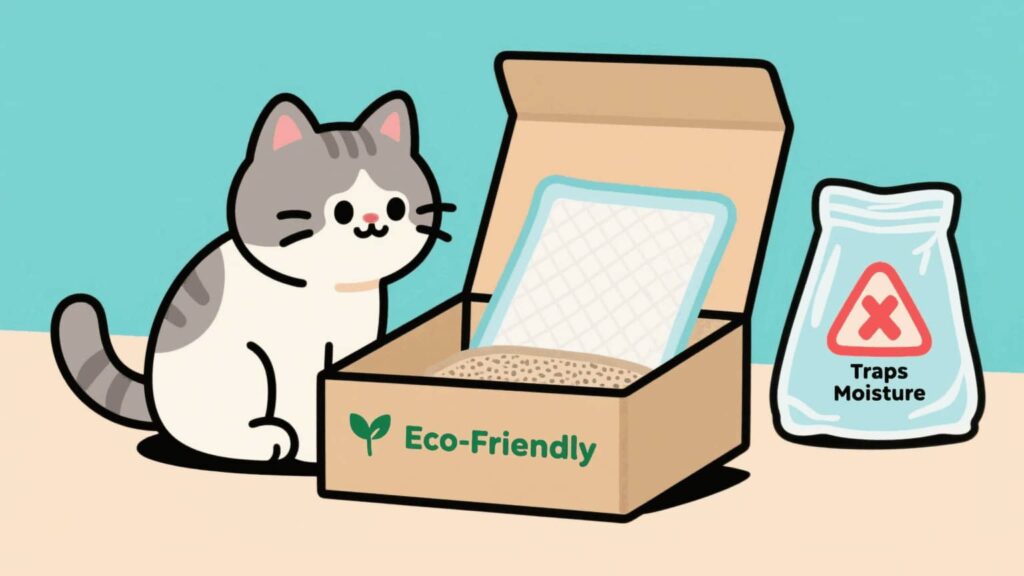
Disposable liners simplify cleaning and reduce odor transfer. Choose biodegradable options for eco-friendly disposal. Avoid plastic bags, which trap moisture and worsen smells.
16. Use a Litter Mat to Reduce Tracking
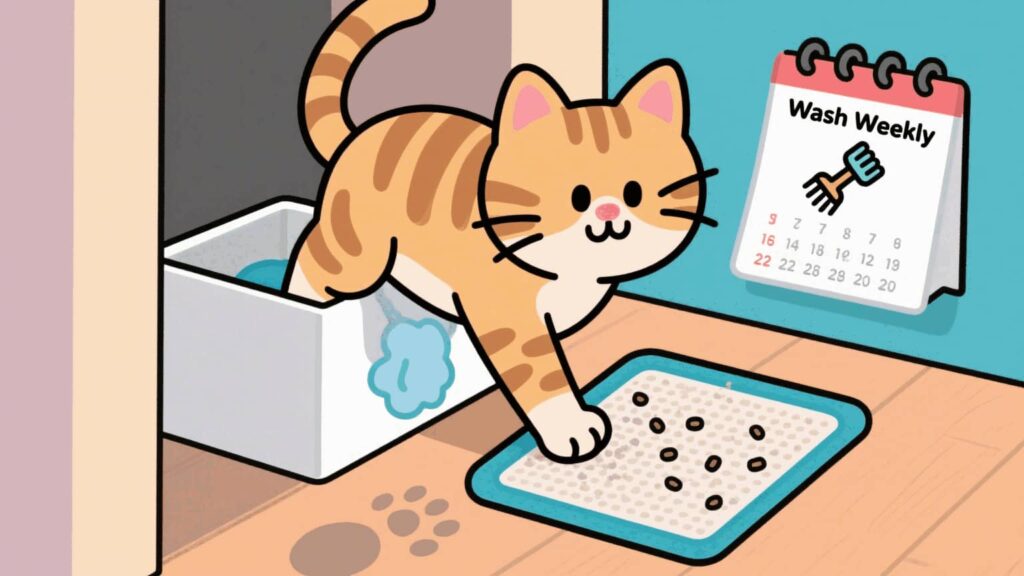
Stray litter particles carry odor and bacteria. Place a textured mat outside the box to catch debris. Wash it weekly to prevent buildup.
17. Avoid Overfilling the Box

Excess litter creates dust and makes scooping harder. Stick to the 2-3 inch rule and trim excess if needed.
18. Consider Professional Cleaning Services

For extreme cases, hire a pet odor removal specialist to deep-clean carpets or furniture. They use industrial-grade equipment to eliminate embedded smells.
19. Stay Consistent with Maintenance
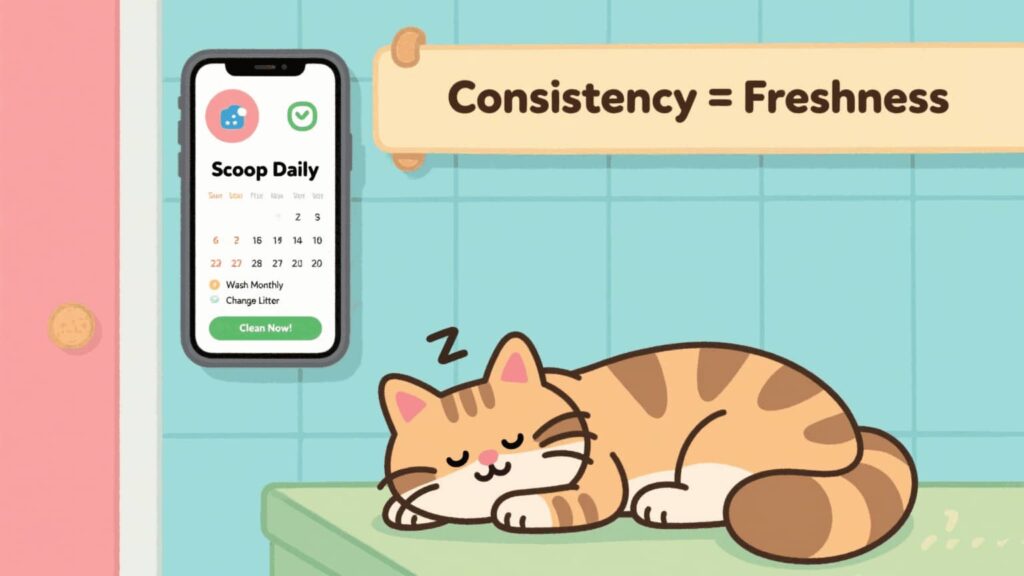
Create a cleaning schedule and stick to it. Use reminders or apps to track scooping, washing, and litter changes. Consistency is key to long-term odor control.
20. Reward Good Behavior
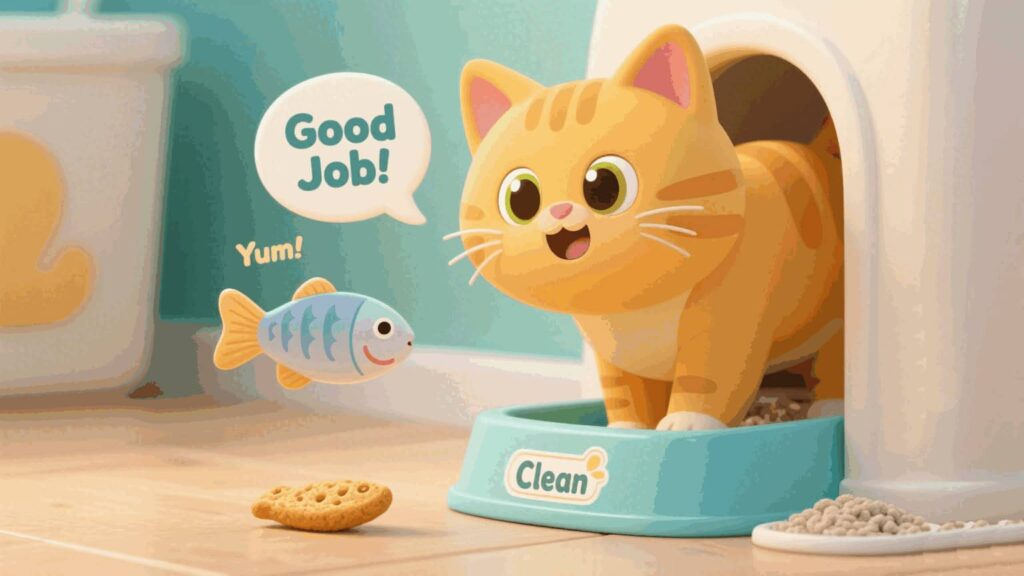
Positive reinforcement encourages proper litter box use. Offer treats or praise when your cat uses the box correctly, reducing accidents and associated odors.
Final Thoughts
Reducing litter box odor requires a mix of proactive cleaning, the right products, and understanding your cat’s needs. By implementing these Tips for Reducing Odor in Cat Litter Boxes, you’ll create a fresher home environment for both you and your feline friend. Remember, patience and consistency are your best tools—happy scooping!
 Petsupplysgrove